

Zhengzhou University hosts 1186 international students from 76 countries in 2023 for bachelor’s, master’s, PhD study programs, awarding 127 scholarships (national, provincial, presidential) to support their academic goals, fostering a lively cross-cultural campus experience.
Table of Contents

Apply to ZU
In 2023, the 1186 currently enrolled international students come from 76 countries. The core of the application revolves around material compliance, time deadlines, and language proficiency.
The application deadlines for undergraduate programs in the autumn intake are June 15th, and May 31st for master’s programs. For the spring intake, the deadlines are November 15th for undergraduate programs and October 31st for master’s programs. Applicants are required to submit notarized and authenticated academic transcripts, HSK/IELTS/TOEFL scores, 2 letters of recommendation, a personal statement, and an economic guarantee of 80,000 RMB. For undergraduate programs, a minimum HSK Level 4 score of 180 or equivalent (e.g., IELTS 5.5) is required, while for master’s programs, a minimum HSK Level 5 score of 210 or equivalent is needed.
Admission places emphasis on academic matching and cross-cultural potential. In recent years, the undergraduate admission rate is approximately 35%, and the master’s admission rate is 28%. The average review cycle is 4 weeks, and a conditional offer will be issued upon approval, subject to confirmation of fee payment.
Preparations
Currently, Zhengzhou University offers 102 undergraduate programs and 37 master’s programs to international students, with engineering master’s programs accounting for 43%. In 2023, the most popular programs were Chinese Language and Literature (22% of undergraduate applicants), Mechanical Engineering (18% of master’s applicants), and Computer Science (15% of master’s applicants).
Before applying, applicants should check the program catalog and course syllabi on the official website of the College of International Education to confirm the credit transfer rules. For example, domestic high school mathematics can be used to exempt some credits of basic engineering courses.
It is recommended to prepare for the language test 6 months in advance. The HSK test is held twice a month in 20 cities including Beijing, Shanghai, and Guangzhou. In 2023, the average preparation time for candidates was 4.5 months, with a pass rate of 65%. Targeted strengthening of listening and reading skills is required.
Notarization of materials can be done through the Foreign Affairs Office of the household registration location or designated institutions, with an authentication cycle of 15 working days. Delays caused by translation flaws should be avoided. In 2023, 12% of applications were returned due to non-standard notarization.
- Original and photocopies of academic transcripts, translated and authenticated by a notary public. The graduating institution must be on the list of institutions recognized by the Ministry of Education. In 2023, 12 applications were returned because the institution was not recognized.
- Language scores (HSK scores are valid for 2 years, or IELTS/TOEFL scores are valid for 2 years). When sending scores, please indicate Zhengzhou University’s code 10459.
- Letters of recommendation must be written by teachers with the title of associate professor or above, including an evaluation of academic ability. The average review time for letters of recommendation in 2023 was 3 days.
- Personal statement (within 500 words) explaining the motivation and plan for studying abroad, highlighting the relevance to the applied major.
- Economic proof: bank deposit of more than 80,000 RMB frozen for 3 months, or parents’ income certificate for the past 6 months.
- Medical examination report including HIV, tuberculosis, and chest X-ray items. The list of designated hospitals is available on the official website.
- Photocopy of passport with a validity period of more than 18 months, with clear first page and visa pages.
- After filling out the online application form, generate a PDF for verification to ensure that the pinyin of the name is consistent with that on the passport.
Review Process
The review is divided into preliminary material review and comprehensive evaluation. The preliminary review checks the completeness and compliance of materials. In 2023, the preliminary material review pass rate was 82%, and 18% of applications were returned mostly due to missing notarization or insufficient economic proof.
In the comprehensive evaluation, academic performance accounts for 60%, language proficiency accounts for 30%, and interview performance accounts for 10%. The interview is conducted online for 20 minutes to assess professional cognition and communication skills.
Master’s applicants are required to submit a research proposal. In 2023, the average score of research proposals was 78 points, and the admission rate for those with scores higher than 70 points increased by 25%.
The average review cycle is 4 weeks, and complex cases can be extended to 6 weeks. The results will be notified by email, including admission opinions or supplementary requirements. In 2023, the average time for supplementing materials was 5 days.
Admission Confirmation
Within 7 days of receiving the admission notice, log in to the system to pay a reservation fee of 3,000 RMB to confirm the degree place. Failure to pay within the time limit will be regarded as giving up the place. In 2023, the confirmation rate was 98%;
After payment, download the official admission letter to apply for an X1 visa, which requires an invitation letter from the university. The processing cycle is 10 working days.
Enrollment Transition: Select dormitories online 15 days before the start of the semester. Double rooms account for 75% and single rooms account for 25%, with a monthly price difference of 300 RMB;
Participate in the new student orientation, which includes campus tours, course selection guidance, and cultural lectures. In 2023, the participation rate was 95%, and each new student was assigned a one-on-one senior mentor;
Bring the admission letter, passport, payment voucher, and medical examination report for registration. After on-site verification, collect the campus card, and activate the account to access library and laboratory resources.
Scholarship Kinds
Zhengzhou University has established four types of scholarships for international students. In 2023, a total of 127 scholarships were awarded to students from 42 countries, including the Chinese Government Scholarship, Henan Provincial Government Scholarship, Presidential Scholarship, and Excellent International Student Scholarship. Among them, the Chinese Government Scholarship accounts for the highest proportion. Provincial and university scholarships focus on academic incentives, while special scholarships support the development of professional expertise, forming a multi-level support system.
|
|
|
|
|
|
|---|---|---|---|---|
|
|
|
|
|
|
|
|
|
|
|
|
|
|
|
|
|
|
Wide Coverage of Chinese Government Scholarship
The Chinese Government Scholarship is the highest-level funding for international students at Zhengzhou University. In 2023, 68 students received this scholarship, accounting for 53.5% of the total number of scholarship recipients. It covers all levels from undergraduate to doctoral programs, with a focus on selecting outstanding students from developing countries with strong academic potential.
Applications can be submitted through the China Scholarship Council (CSC) or university recommendation. The review values an average score of 85 or above in high school or undergraduate studies, and a HSK Level 5 score of 210 or equivalent (e.g., IELTS 6.0). In 2023, the preliminary material review pass rate was 78%. The comprehensive evaluation includes 60% for academic potential and 40% for cross-cultural adaptability. Recipients enjoy full waiver of tuition and accommodation fees, as well as a monthly living allowance. Doctoral students additionally receive research startup funds.
The average review cycle is 12 weeks, and the results are publicly announced by the CSC uniformly. In 2023, the number of students from Zhengzhou University receiving the Chinese Government Scholarship increased by 11% compared with 2022, reflecting the deepening of international cooperation.
Provincial and University Scholarships Focus on Academic Performance
The Henan Provincial Government Scholarship and Presidential Scholarship focus on academic performance. In 2023, 32 and 27 students received these two scholarships respectively, accounting for a total of 46.5% of the total number of scholarship recipients.
Applicants for the provincial scholarship must have already been admitted to Zhengzhou University, with an undergraduate GPA of 3.2 or above, and a master’s GPA of 3.5 or above. In 2023, 22% of applicants were screened out due to insufficient academic performance. The award includes a 50% tuition waiver and a fixed monthly allowance.
The Presidential Scholarship is only available to currently enrolled students, selected annually based on being in the top 10% of academic rankings. In 2023, the average GPA of recipients was 3.8, with engineering students accounting for 45%, liberal arts students 30%, and medical students 25%. In addition to full tuition waiver, recipients also receive an annual award of 5,000 RMB. The review combines class attendance of 95% or above and supervisor evaluations. In 2023, the renewal rate of the scholarship was 88%, demonstrating its sustained incentive effect.
Get Scholarship
In 2023, a total of 520 students applied for scholarships at the university, and 127 scholarships were ultimately awarded, with an overall success rate of 24.4%. The data reflects that competition focuses on pre-preparations and matching with standards.
Applicants need to pay attention to the differences between the three types of scholarships: Chinese Government Scholarship, provincial scholarship, and university scholarship. The Chinese Government Scholarship focuses on potential screening, while the provincial and university scholarships focus on academic continuity. The key is to grasp the time deadlines, material accuracy, and review preferences. The practical paths are disassembled below.
Application Time
The first step in applying for a scholarship is to seize the time window. In 2023, the online application deadline for the Chinese Government Scholarship was December 15th, and the internal application deadline for the Henan Provincial Government Scholarship and Presidential Scholarship was October 31st. Missing the deadline means waiting for the next year’s cycle. In 2023, 15% of applications were not submitted due to being overdue.
The application period is usually 3 months, covering September to November. It is recommended to start preparations 2 months in advance to avoid conflicts with admission applications.
Applications for the Chinese Government Scholarship can be submitted through two channels: the CSC system or university recommendation. University-recommended places account for 30% and require preliminary review by the college. Provincial and university scholarships are only available to students who have already been admitted to Zhengzhou University. In 2023, the success rate of supplementary scholarship applications after admission was 68%, which was lower than the 82% success rate of simultaneous applicants.
Different scholarships have different review cycles: the average review cycle for the Chinese Government Scholarship is 12 weeks, 8 weeks for the provincial scholarship, and 6 weeks for the university scholarship. Time should be reserved for supplementing materials. In 2023, 20% of supplementary admission cases missed the confirmation due to misjudgment of the review cycle.
Materials
The completeness and compliance of materials determine the preliminary review pass rate. In 2023, 28% of applications were screened out due to material issues, with insufficient GPA in transcripts being the main reason.
Undergraduate applicants need to provide high school or first-year undergraduate transcripts with a GPA of 3.0 or above (on a 4.0 scale). Master’s and doctoral applicants need to provide undergraduate or master’s transcripts with a GPA of 3.2 or above. In 2023, 38% of materials were screened out due to insufficient GPA.
Language scores must be valid HSK scores within 2 years (HSK Level 4 with 180 points for undergraduates, HSK Level 5 with 210 points for master’s students) or equivalent IELTS/TOEFL scores (IELTS 5.5, TOEFL 80). In 2023, applicants with a 72% material submission completeness rate entered the comprehensive evaluation.
Letters of recommendation must be issued by teachers with the title of associate professor or above, focusing on the description of academic potential. In 2023, the admission rate of applicants whose letters of recommendation mentioned research experience increased by 19%.
The personal statement is limited to 500 words and needs to clearly state the scholarship usage plan. In 2023, applicants with specific study plans scored an average of 12 points higher.
Economic proof is not mandatory but can earn extra points. A bank deposit of more than 80,000 RMB frozen for 3 months can prove payment capacity. In 2023, the preliminary review pass rate of applicants with economic proof was 85%, which was higher than the 63% pass rate of those without economic proof.
Review
The review focuses on three dimensions: academic foundation, language proficiency, and development potential. In the 2023 comprehensive evaluation samples, academic performance accounted for 65%, language proficiency accounted for 25%, and interview performance accounted for 10%.
Academic performance is evaluated based on GPA ranking and scores of core courses. In 2023, the average GPA of recipients was 3.6, with the median GPA of engineering students being 3.7, which was higher than the 3.5 of liberal arts students.
In addition to scores, the validity period of language test results is also checked. In 2023, 11% of cases had their weights deducted due to expired scores.
The interview is conducted online for 20 minutes to assess professional cognition and cross-cultural communication. In 2023, the interview pass rate was 82%, with questions focusing on research interests and campus integration plans.
Master’s and doctoral applicants are required to submit a research proposal. In 2023, the average score of research proposals was 78 points, and the admission rate for those with scores higher than 80 points was 91%.
The review incorporates a supervisor evaluation mechanism. In 2023, the admission probability of applicants strongly recommended by supervisors increased by 23%. Samples show that the review focuses on continuous learning ability rather than a single high score, and 17% of applicants with a GPA fluctuation of more than 0.5 had points deducted.
Admission Confirmation
Recipients need to respond quickly after receiving the admission notice. In 2023, 98% of recipients completed the system confirmation within 7 days, and failure to confirm within the time limit was regarded as giving up the qualification.
Confirmation requires payment of a reservation fee of 3,000 RMB. After payment, download the official letter to apply for an X1 visa. In 2023, the visa processing cycle was 10 working days, and the pass rate for applicants with complete materials was 95%.
Scholarships are disbursed in two semesters, with registration status verified at the beginning of each semester. In 2023, 3% of scholarships were suspended due to failure to register on time.
Scholarship renewal requires maintaining a GPA of 3.0 or above (for undergraduates) or 3.2 or above (for master’s and doctoral students). In 2023, the scholarship renewal review pass rate was 88%, with the main reasons for elimination being course failures or violations of discipline.
Recipients are required to submit a study report each semester, including course progress and activity participation. In 2023, the average satisfaction score of recipients who submitted complete reports was 92 points.
In case of special circumstances, applicants can apply for deferred disbursement. In 2023, all 5 deferred disbursement cases were approved with medical certificates, with a maximum deferral period of 3 months.
Study Programs
In 2023, 102 undergraduate programs and 37 master’s programs were open, with engineering master’s programs accounting for 43%, covering 1,186 enrolled students from 76 countries. The most popular programs were Chinese Language and Literature (22% of undergraduate applications), Mechanical Engineering (18% of master’s applications), and Computer Science (15% of master’s applications). The programs focus on credit transfer and cross-cultural adaptation, with the core framework disassembled below.
Program Coverage
Undergraduate programs for international students at Zhengzhou University cover 12 academic disciplines including liberal arts, science, engineering, and medicine. Among the 102 open programs in 2023, engineering programs account for 38%. Chinese Language and Literature, Mechanical Engineering, and Computer Science are the top three in terms of application volume, accounting for 22% of undergraduate applications, 18% of master’s applications, and 15% of master’s applications respectively.
The 37 master’s programs focus on advantageous fields, with engineering master’s programs accounting for 43%, including the intelligent equipment direction of Mechanical Engineering and the artificial intelligence module of Computer Science. The 21 doctoral programs focus on national key disciplines such as Materials Science and Clinical Medicine.
Bilingual teaching is provided for courses, and credit transfer covers basic courses of similar domestic programs. For example, high school mathematics can be used to exempt 3 credits of engineering calculus. In 2023, the credit transfer success rate reached 85%. Materials-related programs recognize a 5-point AP Physics score as equivalent to undergraduate prerequisite courses, reducing the burden of repeated learning.
Level Setting
Undergraduate programs require a high school graduation average score of 80 or above, HSK Level 4 with 180 points or IELTS 5.5, with a 4-year academic system including 1 semester of internship. In 2023, the average age of admitted students was 20.5 years old, and the major transfer success rate was 25%, which requires a GPA of 3.0 or above in the original major.
Master’s applications require an undergraduate GPA of 3.0 or above, HSK Level 5 with 210 points or IELTS 6.0, with a 2-3 year academic system. 35% of engineering master’s programs have university-enterprise joint research projects. In 2023, the employment rate of master’s students whose thesis topics came from enterprise needs was 92%, which was higher than that of pure academic topics.
Doctoral programs require a master’s GPA of 3.2 or above and submission of a research proposal, with a 3-4 year academic system. The elimination rate of the mid-term assessment is 10%. In 2023, 40% of new doctoral students have published SCI papers, and the average research startup fund supports the purchase of equipment worth 20,000 RMB.
Foundation programs are available at all levels for students with insufficient language proficiency. In 2023, the foundation program completion rate was 88%, and the average time to enter degree programs was 1.5 semesters.
Course Features
Professional courses account for 70% to strengthen core competencies, practical courses account for 20% including laboratory operations and enterprise internships, and cultural courses account for 10% with modules on Chinese history and Central Plains culture. In 2023, the participation rate in practical courses was 92%, and the satisfaction score for cultural courses was 4.7 points (on a 5-point scale).
15 university-enterprise joint laboratories have been established in engineering disciplines, such as the Vehicle Engineering Laboratory in cooperation with Yutong Bus, providing practical training in vehicle assembly. In 2023, students participated in 23 research and development projects, and 3 projects won university-level innovation awards.
Small seminar classes of 15 students are offered for Chinese Language and Literature. In 2023, the average teaching evaluation score for the Ancient Chinese course was 4.8 points. Computer Science programs offer open-source project practice, and students’ contributed code has been included in GitHub 47 times.
Course assessment is diversified, with 40% for regular homework, 20% for mid-term exams, 30% for final exams, and 10% for practical performance. In 2023, the course failure rate was 8%, which was lower than the university average. The make-up exam cycle is limited to 2 semesters.
Campus Life
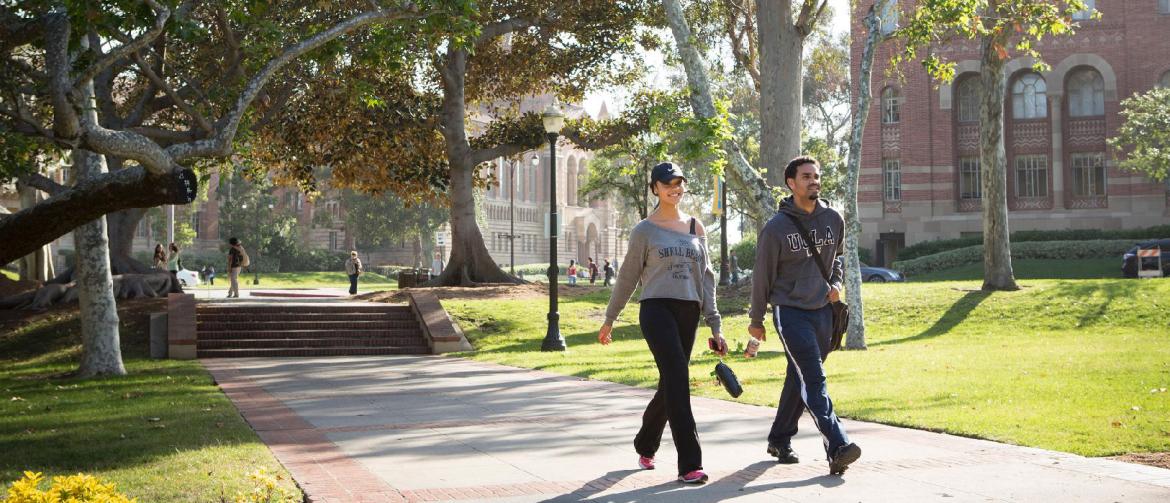
In 2023, the 1,186 enrolled international students come from 76 countries. Their daily experience covers accommodation, catering, clubs, and culture. Double dormitory rooms account for 75% and single rooms for 25%. There are 4 international food counters in the canteen, 32 clubs hold 120 activities annually, and the library has 150,000 foreign language books. Specific scenarios are disassembled below.
- Accommodation: Double rooms and single rooms are available. Double rooms account for 75%, with an occupancy rate of 98% in 2023. Each room is equipped with air conditioning and an independent bathroom. Public kitchens and study areas are available on each floor. Dormitory management is on duty 24 hours a day, with an average response time of 4 hours for maintenance requests.
- Catering: 4 special food counters for international students are set up in the canteen, serving Chinese (Northern, Southern, Western, and Eastern) and halal food, with 800 person-times served daily. More than 20 cuisines are available, including pasta and Indian curry. In 2023, the satisfaction score was 4.6 points (on a 5-point scale).
- Clubs: 32 registered international student clubs cover sports, culture, academics, and public welfare. 120 activities were held in 2023, with a participation rate of 85%. The Chinese Corner is held twice a week with over 50 participants each time, and the basketball team won the runner-up in the inter-university competition.
- Learning Support: The library has 150,000 foreign language books, with 500,000 annual visits to electronic resources. There is a dedicated study room for international students with 80 seats, and teaching assistants respond to questions within an average of 4 hours.
- Sports and Cultural Facilities: 8 sports venues including a gymnasium and a swimming pool, with a utilization rate of 70% in 2023. Gym equipment is updated every 2 years, and yoga classes are held 3 times a week with a 90% full attendance rate.
- Cultural Activities: 12 activities such as the Mid-Autumn Garden Party and Spring Festival Gala are held annually. In 2023, 450 people participated in the Mid-Autumn Festival, and 600 people in the Spring Festival Gala. The satisfaction score for calligraphy experience classes was 4.8 points.
Accommodation and Catering Experience
Accommodation and catering for international students at Zhengzhou University are oriented towards practicality and convenience. Double dormitory rooms are the standard, accounting for 75%, while single rooms account for 25% and require application. The overall occupancy rate in 2023 was 98%, reflecting a good supply and demand match. Each room is equipped with air conditioning, an independent bathroom, and a network port. Public kitchens on each floor are equipped with microwave ovens and induction cookers, and the study area has 40 sets of desks and chairs to meet the needs of group learning. The 5-member dormitory management team is on duty 24 hours a day, with an average response time of 4 hours for maintenance requests and a 92% solution rate.
4 international food counters are set up in the canteen, serving 800 person-times daily. They provide Chinese (Northern, Southern, Western, and Eastern) and halal food, including more than 20 cuisines such as pasta, Indian curry, and Vietnamese pho. The daily sampling qualification rate of ingredients is 100%. In 2023, the satisfaction score was 4.6 points. A suggestion box is set up, receiving an average of 15 suggestions per month, and 3 dishes are improved accordingly.
The dormitory area is equipped with convenience stores, express lockers, and a laundry room. There are 20 washing machines, and the waiting time during peak hours does not exceed 10 minutes. In 2023, there were only 3 complaints due to equipment failures, accounting for 0.3%, reflecting high operational efficiency.
Club Activities
International student clubs are centered on interest connections. 32 registered clubs cover sports, culture, academics, and public welfare. 120 activities were held in 2023 with a participation rate of 85%. The Chinese Corner is held twice a week, led by postgraduate students from the Chinese Department, with a total of over 2,600 participants in 2023. The basketball team plays against the university team once a month on average and won the third place in the inter-university competition.
Academic clubs such as the Belt and Road Research Association held 6 seminars in 2023, with professors giving lectures and 120 international students participating.
Cultural experiences focus on Central Plains characteristics. 12 activities such as the Mid-Autumn Garden Party and Spring Festival Gala are held annually. In 2023, the Mid-Autumn Festival included riddle guessing, arrow throwing, and mooncake DIY, with 450 participants. The Spring Festival Gala featured dragon dance and martial arts performances, attracting 600 participants. The satisfaction score for calligraphy experience classes was 4.8 points, and 200 works were produced in the intangible cultural heritage paper-cutting workshop.
The library collaborates to hold a Chinese Culture Month, exhibiting civil engineering models and oracle bone rubbing copies, with 800 visitors in 2023. One-on-one cultural mentor consultations are available, serving an average of 30 people per month to help international students understand local customs.